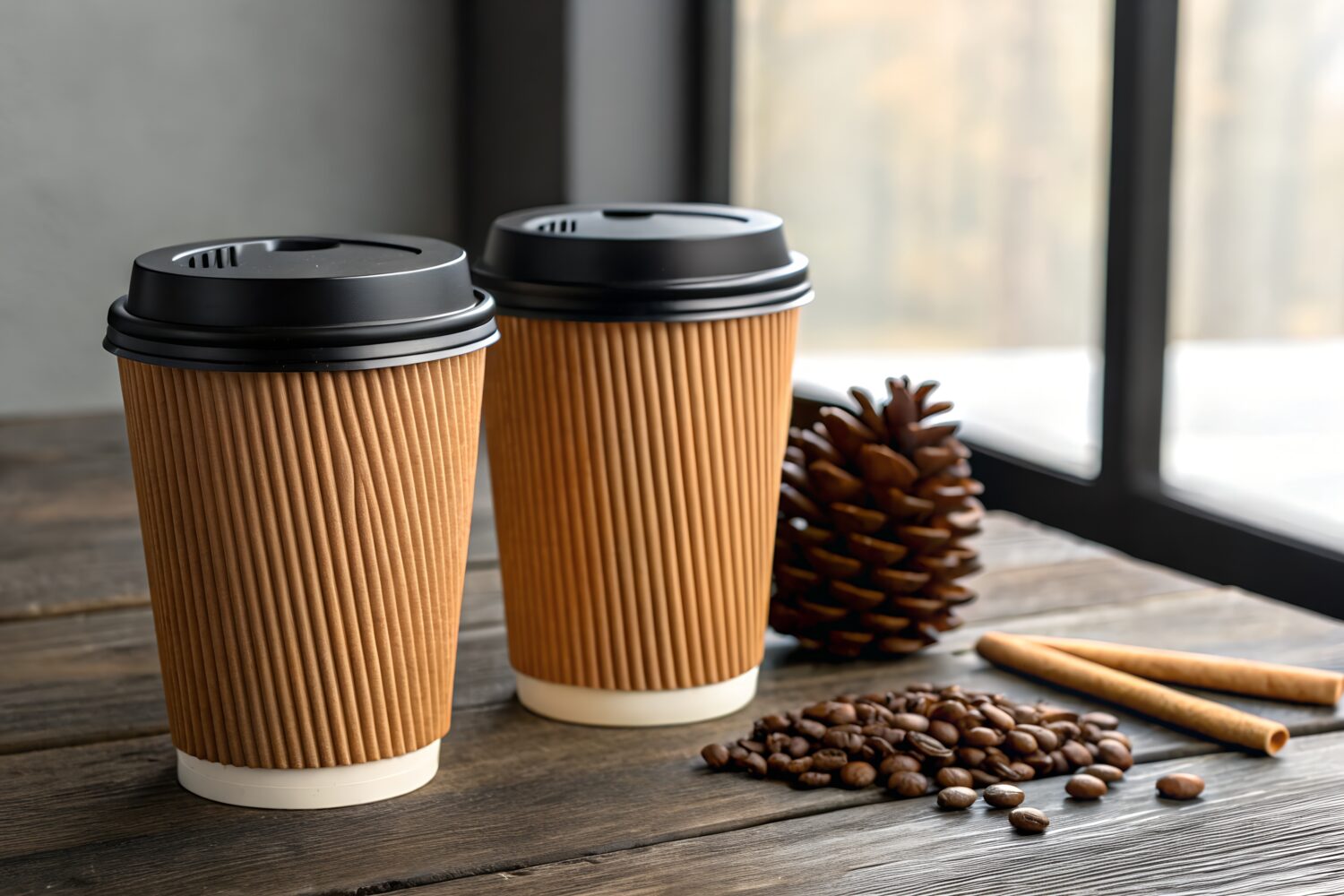
Choosing the right disposable coffee cups isn’t just about aesthetics — it’s a decision that affects your bottom line, customer experience, and environmental footprint. With hundreds of options available, from single-wall paper cups to double-wall ripple designs, making the right choice can feel overwhelming.
In this guide, we’ll break down everything you need to consider when selecting disposable coffee cups for your café, restaurant, hotel, or catering business.
Understanding Cup Types: Single Wall vs Double Wall vs Ripple
The most fundamental decision is the wall construction of your cup. Each type has distinct advantages depending on your service style and budget.
Single-wall cups are the most economical option and work well for cold drinks or situations where you provide a separate sleeve. They’re lightweight and stack efficiently, making storage simple for businesses with limited space.
Double-wall cups feature an additional layer of board that provides insulation without the need for a sleeve. While the unit cost is higher, you save on purchasing separate sleeves and your customers get a more premium feel.
Ripple cups have a distinctive corrugated outer layer that provides excellent heat insulation and a comfortable grip. These are the premium option and are often chosen by specialty coffee shops looking to elevate their brand presentation.
Pro tip: If you’re serving 200+ hot drinks per day, switching from single-wall + sleeve to double-wall cups can save you up to 15% on your per-serve packaging cost — while giving customers a better experience.
Sizing Guide: What Sizes Do You Actually Need?
Most coffee businesses stock three or four sizes, but which sizes depends on your customer base and menu. Here are the standard UK sizes and their typical uses:
- 4oz (118ml) — Espresso shots, macchiatos, and cortados
- 8oz (227ml) — Espresso-based drinks, small filter coffees, children’s hot chocolate
- 12oz (340ml) — The most popular size for standard lattes, cappuccinos, and flat whites
- 16oz (454ml) — Large drinks, iced coffees, and anything with extra milk or syrups
For most cafés, the 12oz cup accounts for around 60% of takeaway sales. If you’re just starting out, begin with 8oz and 12oz, then add 4oz and 16oz based on demand.
Material Considerations: Paper, PLA, and Sustainability
Environmental responsibility is increasingly important to consumers. Understanding your material options helps you make choices that align with your brand values and meet evolving regulations.
Traditional paper cups with a PE (polyethylene) lining are the industry standard — and for good reason. They’re food-safe, highly reliable, and the most cost-effective option for high-volume businesses. While they require specialist recycling, many local recycling centres now accept them, and the infrastructure for paper cup recycling is growing rapidly across the UK.
PLA-lined cups use a plant-based lining instead of plastic. They’re commercially compostable and increasingly accepted at recycling facilities. The trade-off is a slightly higher cost and sensitivity to very high temperatures.
Branding and Customisation Options
Your coffee cup is a mobile advertisement for your business. Every cup that leaves your shop is a branding opportunity seen by dozens of people throughout the day.
Off-the-shelf branded cups
Generic branded cups in kraft or white are an affordable way to maintain a professional look without the investment of custom printing. They work well for businesses wanting a clean, minimal aesthetic.
Custom-printed cups
For higher-volume businesses, custom printing lets you put your logo, brand colours, and messaging directly on the cup. Minimum order quantities typically start at 25,000 units, with better per-unit pricing at higher volumes.
Making Your Final Decision
The best disposable coffee cup for your business balances four factors: cost per serve, customer experience, environmental impact, and brand presentation. Start by calculating your daily volume, then work through the options that fit your budget and values.
Whether you’re a high-street café serving hundreds daily or a hotel providing in-room refreshments, there’s a cup that fits. And with bulk purchasing from a specialist supplier, you can keep your costs competitive while delivering quality your customers will notice.