
Paper cup suppliers and café operators deal with lid fit issues more often than most buyers expect. In packaging procurement, one of the most common mistakes is assuming that any lid will fit any cup of the same size. The reality is that lid compatibility depends on rim design, cup manufacturer, and lid specification.
If you want to avoid leaks, loose lids, or customer complaints, always verify lid fit by checking rim diameter, lid type, and manufacturer compatibility before placing a bulk order. Even cups labeled “8oz” or “12oz” may use different rim standards.
This guide explains how to check lid compatibility before ordering paper cups, so you avoid costly mismatches.
Why do lid fit problems happen with paper cups?
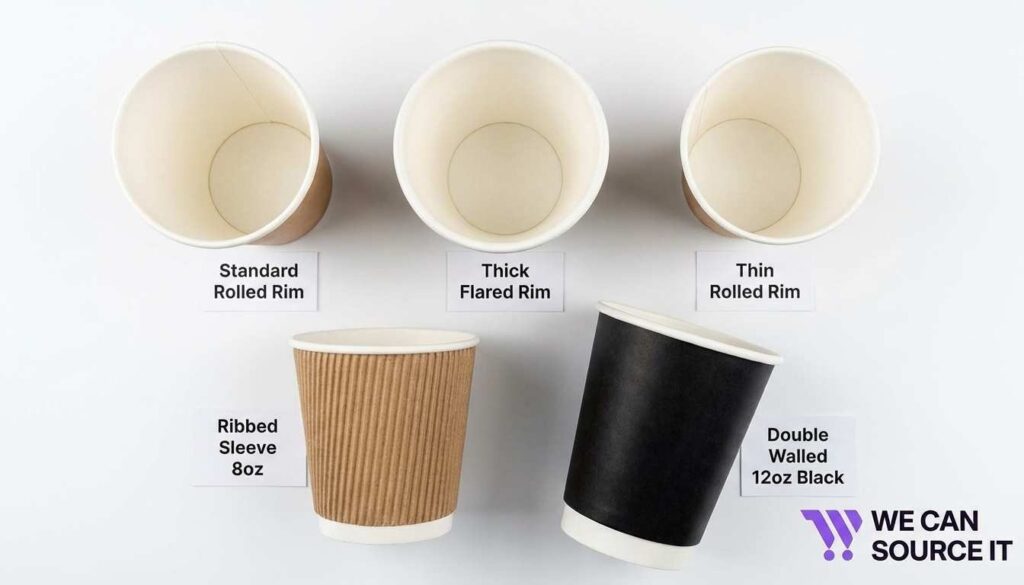
Lid fit problems usually occur because cup rim designs are not universal.
Even when cups have the same capacity (for example 12oz), manufacturers may use different rim diameters or rim profiles, which affects how the lid locks in place.
Common causes include:
- Different rim diameters
- Incompatible lid types
- Cups and lids from different manufacturers
- Incorrect lid selection for hot vs cold drinks
- Manufacturing tolerance variations
Key takeaway: Cup size (oz) does NOT guarantee lid compatibility. Rim design determines lid fit.
What does “lid fit” mean in paper cup packaging?
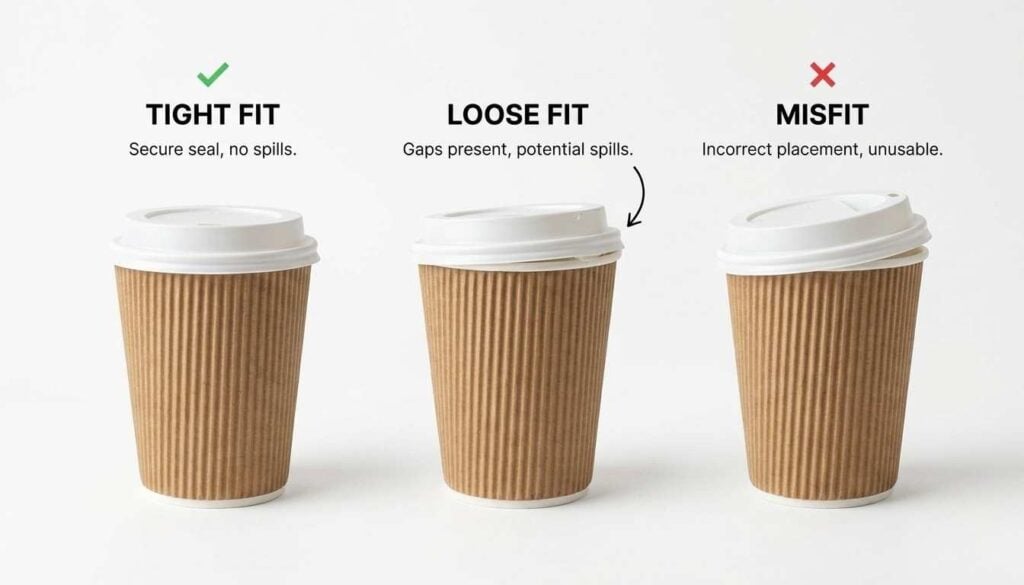
Lid fit refers to how securely a lid attaches to the rim of a paper cup.
A properly fitting lid should:
- Snap securely onto the cup rim
- Stay tight during transport
- Prevent leaks from the drinking hole
- Allow easy opening without popping off
There are three typical lid fit outcomes:
| Lid Fit Type | What Happens | Risk Level |
| Tight fit | Lid snaps firmly and seals | Ideal |
| Loose fit | Lid wobbles or lifts easily | Medium risk |
| Misfit | Lid cannot attach or pops off | High risk |
Poor lid fit can cause spills, safety issues, and brand damage for cafés or takeaway businesses.
How can you check lid compatibility before ordering cups?
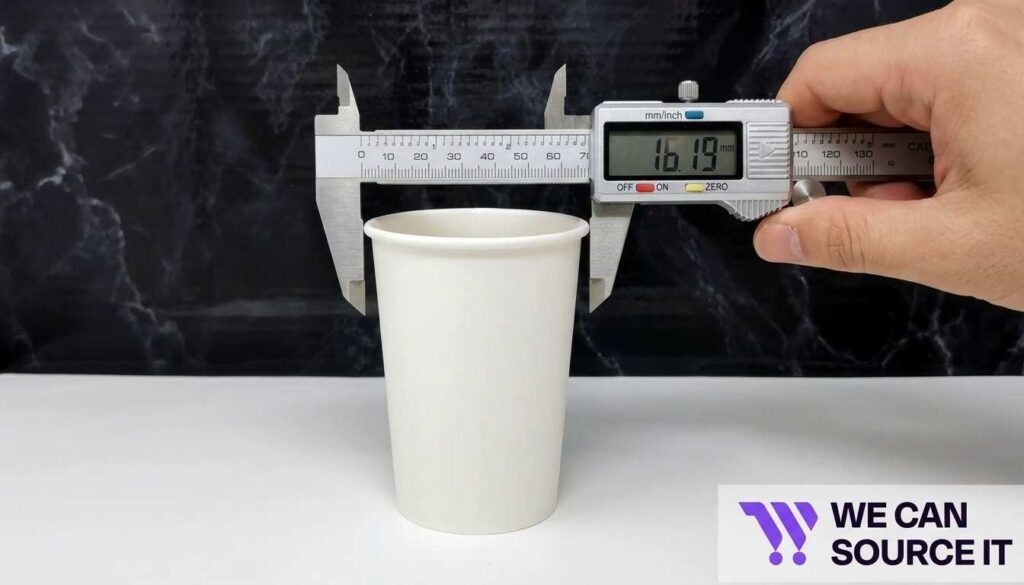
The safest way to check lid compatibility is to match lid diameter and rim specification with the cup manufacturer.
Before placing a bulk order, verify the following:
1. Check the rim diameter
Most paper cups fall into a few common rim sizes:
| Cup Size | Typical Rim Diameter |
| 4–6 oz | 62–70 mm |
| 8 oz | 80 mm |
| 10–12 oz | 90 mm |
| 16–20 oz | 90–98 mm |
However, these measurements vary by supplier, so always confirm with product specifications.
2. Match lid type to drink type
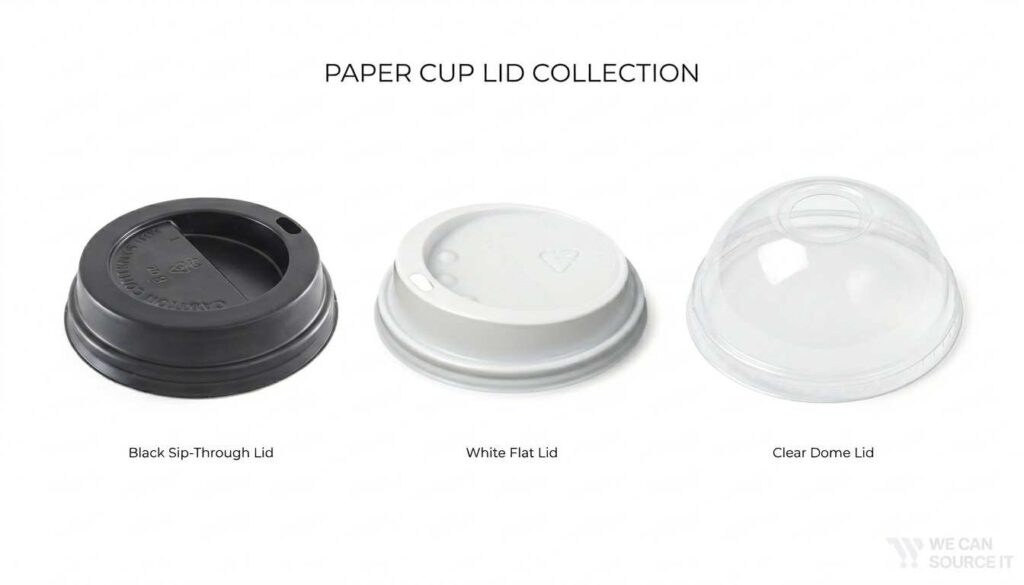
Different beverages require different lids.
Common lid styles include:
- Sip-through lids (hot drinks)
- Flat lids (cold drinks)
- Dome lids (iced beverages or whipped toppings)
Using the wrong lid type often causes lid fit problems because the locking groove is designed differently for each style.
3. Use lids from the same manufacturer when possible
The most reliable compatibility comes from cups and lids designed by the same supplier.
Manufacturers typically engineer lids specifically for their cup rim profile.
Advantages of matching suppliers:
- Guaranteed lid fit
- Reduced leak risk
- Easier bulk ordering
- Fewer customer complaints
4. Request a sample fit test

Always test samples before placing large orders.
A simple fit test includes:
- Snap lid onto the cup
- Fill with hot or cold liquid
- Tilt the cup slightly
- Check if the lid loosens or leaks
This small step can prevent expensive inventory mistakes.
Are paper cup lids universal?
No, paper cup lids are not universally compatible.
While many suppliers follow common rim sizes like 80 mm or 90 mm, there is no global standard that guarantees every lid fits every cup.
For example:
- Two 12oz cups may both use 90 mm rims
- But the rim thickness or locking edge may differ
- Result: the lid may feel loose or fail to snap properly
Key takeaway: Always verify lid compatibility rather than assuming universal fit.
What problems can poor lid fit cause for cafés?
Poor lid fit affects both safety and customer experience.
Common operational problems include:
Drink spills during takeaway
Loose lids can detach during transport.
Burn risks from hot drinks
Hot coffee spills can lead to safety complaints.
Negative customer perception
Customers associate poor packaging with poor product quality.
Increased packaging waste
Misfitting lids often get discarded.
For UK cafés and takeaway operators, packaging reliability directly impacts brand trust and repeat customers.
How do suppliers ensure better lid compatibility?
Professional packaging suppliers reduce lid fit issues by standardising components.
Typical solutions include:
- Pre-tested cup + lid systems
- Clear rim diameter specifications
- Manufacturer compatibility charts
- Sample testing programs
When sourcing paper cups in the UK, suppliers often provide recommended lids for each cup model, which simplifies ordering and reduces risk.
How to choose the right lid during cup procurement
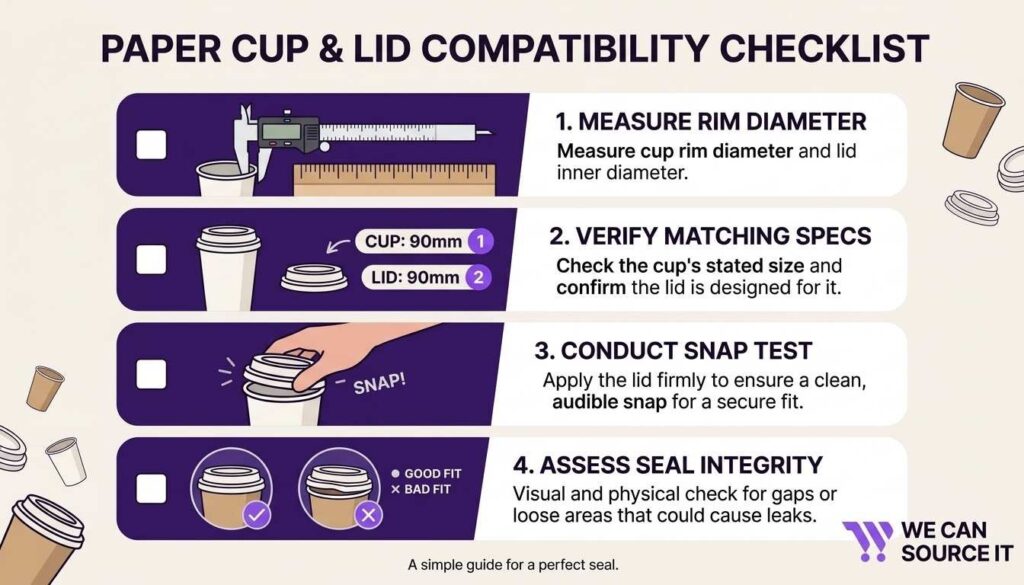
If you are ordering cups for a café, restaurant, or takeaway operation, use this checklist:
Before ordering:
- Confirm cup rim diameter
- Select lid style based on beverage
- Check manufacturer compatibility
- Request samples
- Perform fit testing
Key takeaway: Compatibility testing should be part of every packaging procurement process.
FAQ
Do all 12oz paper cups use the same lid?
No. 12oz cups often use a 90 mm lid, but rim design varies between manufacturers, so not every lid will fit every cup.
How do I know which lid fits my paper cup?
Check the cup rim diameter and manufacturer specification, then choose a lid designed for that exact cup model.
Should I order cups and lids from the same supplier?
Yes. Ordering cups and lids from the same supplier is the easiest way to ensure proper lid compatibility.