Professionals in café packaging and takeaway branding know that custom-printed paper coffee cups are one of the most visible branding tools in the coffee industry. After working with coffee shop packaging strategies and supplier specifications, one thing is clear: businesses often underestimate the printing methods, minimum order quantities (MOQs), and production timelines involved.
Custom-printed paper coffee cups are produced using flexographic or digital printing methods, usually require minimum order quantities (MOQs) ranging from a few thousand to tens of thousands, and typically have lead times between 2 and 8 weeks, depending on production location and complexity.
This guide explains how custom-printed paper coffee cups are manufactured, ordered, and delivered, helping cafés and foodservice businesses in the UK plan packaging orders more effectively.
What are custom-printed paper coffee cups?
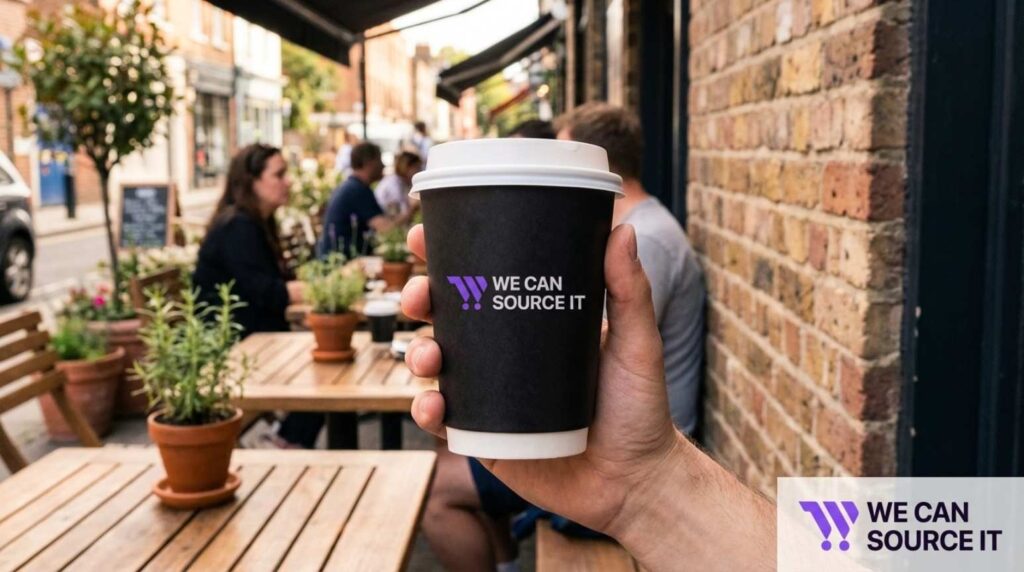
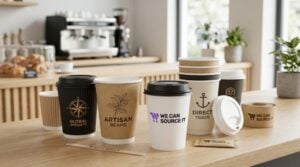
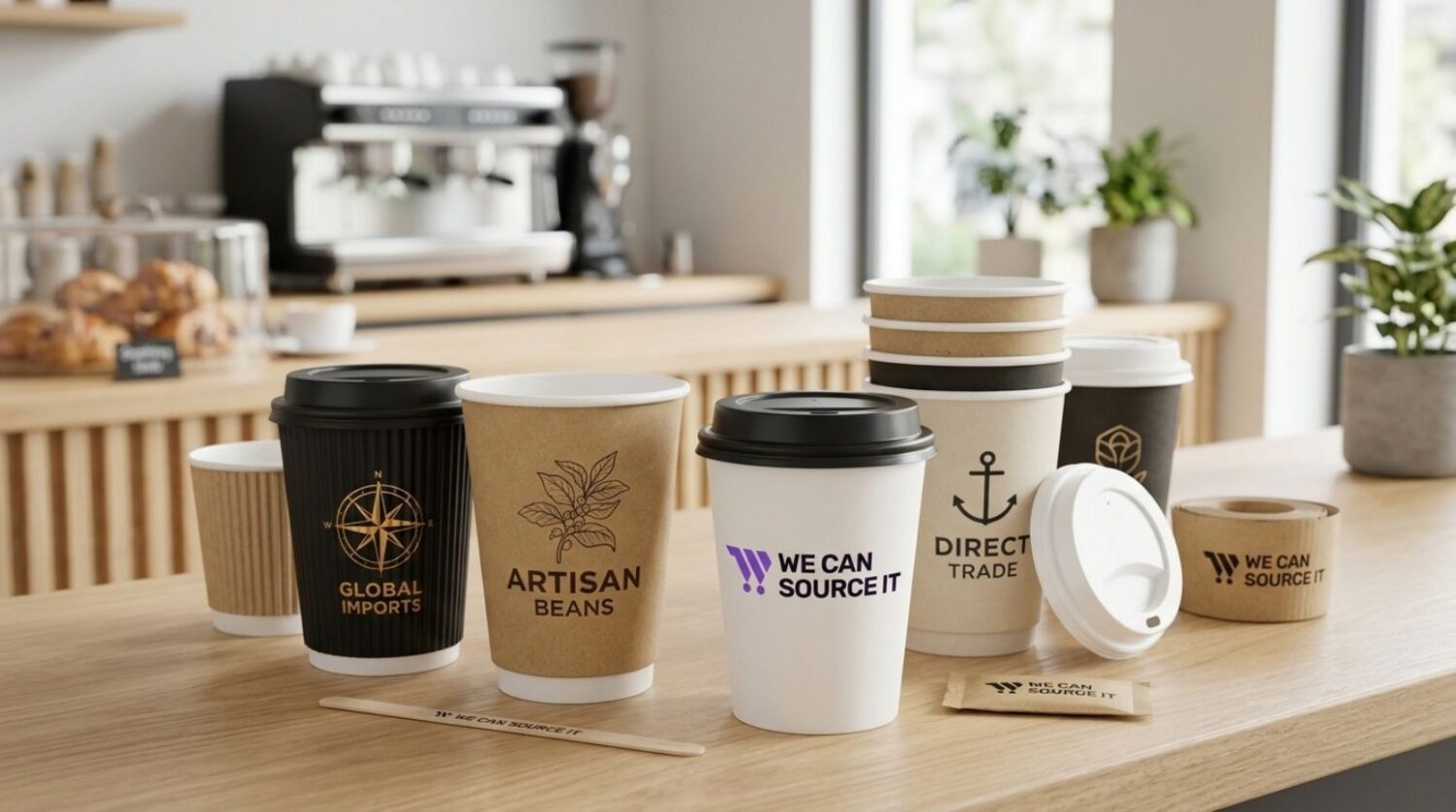
Custom-printed paper coffee cups are takeaway cups manufactured with a café’s logo, branding, or design printed directly onto the cup surface.
Unlike plain stock cups, custom cups act as mobile advertising, allowing cafés to reinforce brand identity every time a customer carries a drink.
Typical branding elements include:
- Café logos
- Brand colours
- Promotional graphics
- Sustainability messaging
- Social media handles
For takeaway-focused businesses, cup branding often becomes one of the most visible marketing assets.
Key takeaway: Custom cups turn everyday takeaway packaging into a branding tool.
How are custom-printed paper coffee cups printed?
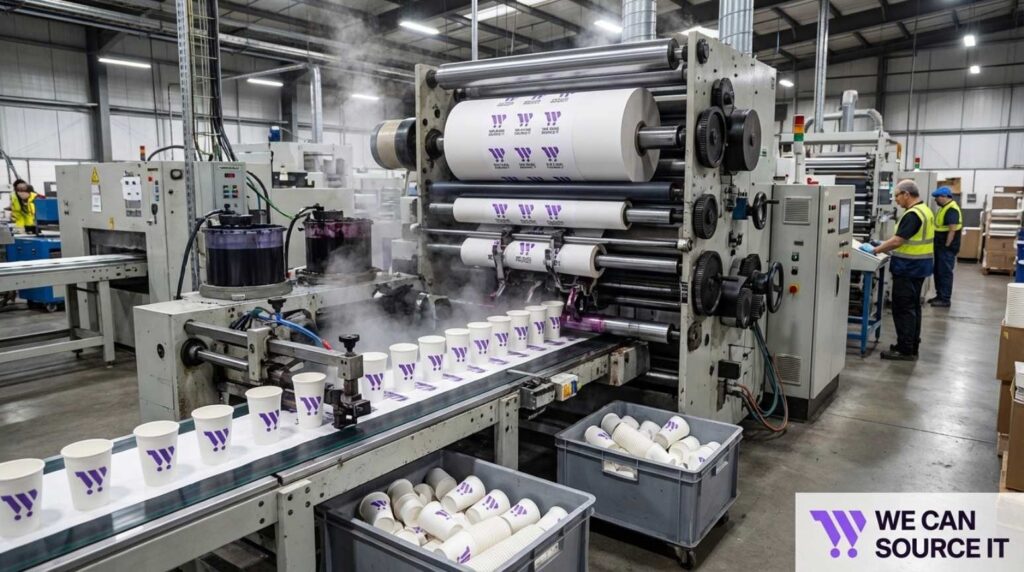
Most custom-printed paper coffee cups are produced using flexographic printing or digital printing.
The printing method affects design flexibility, cost efficiency, and order quantities.
Flexographic printing
Flexographic printing is the most widely used method in large-scale paper cup manufacturing.
Characteristics:
- Uses flexible printing plates
- Efficient for large production runs
- High colour consistency
- Lower cost per unit at high volumes
Best suited for:
- Large café chains
- Franchise operations
- High-volume takeaway businesses
Digital printing
Digital printing is increasingly used for smaller production runs.
Characteristics:
- No physical printing plates required
- Faster setup time
- Greater design flexibility
- Higher cost per unit for large runs
Best suited for:
- Independent cafés
- Limited promotional runs
- Small-batch branding
| Printing Method | Best For | Typical Order Size |
| Flexographic printing | Large production runs | High MOQs |
| Digital printing | Small batches | Lower MOQs |
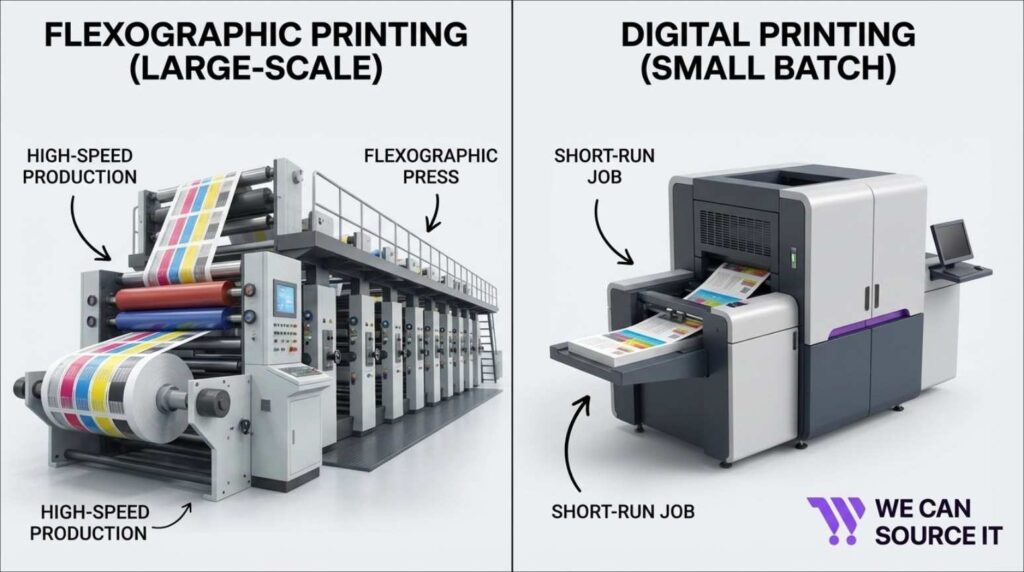
Key takeaway: Flexographic printing dominates large orders, while digital printing supports smaller custom runs.
What are the typical MOQs for custom-printed paper coffee cups?
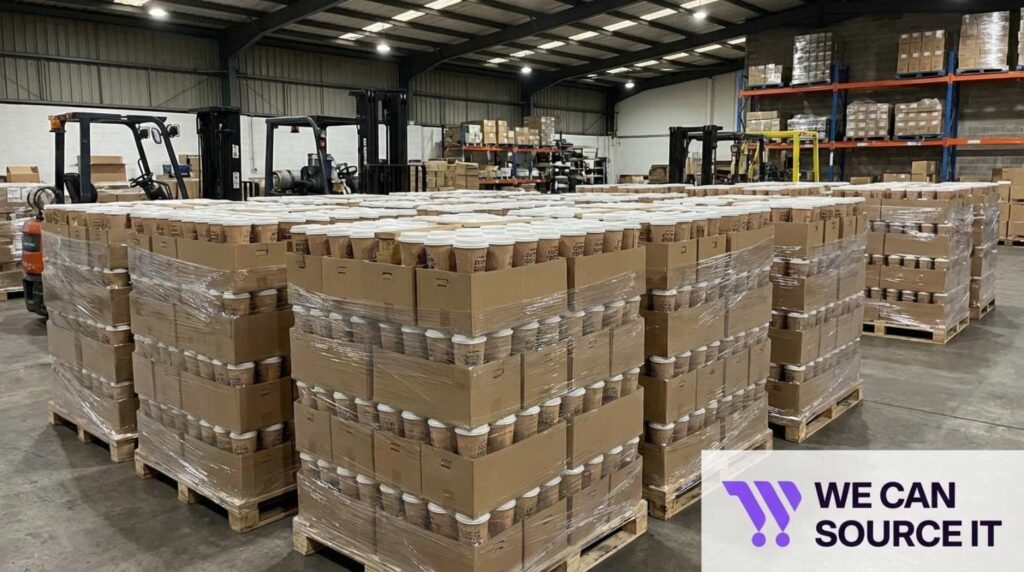
Minimum order quantities (MOQs) vary depending on the printing method and supplier.
Cup manufacturing involves specialised production lines, so small print runs can be less efficient.
Typical MOQ ranges include:
| Cup Type | Typical MOQ Range |
| Flexographic printed cups | 10,000 – 50,000 cups |
| Digitally printed cups | 1,000 – 10,000 cups |
Factors affecting MOQs include:
- Printing technology
- Cup size variety
- Number of colours in the design
- Supplier production capacity
For example, ordering multiple sizes (8oz, 12oz, 16oz) may require separate MOQs for each size.
Key takeaway: Higher MOQs usually mean lower unit costs per cup.
How long do custom paper coffee cup orders take?
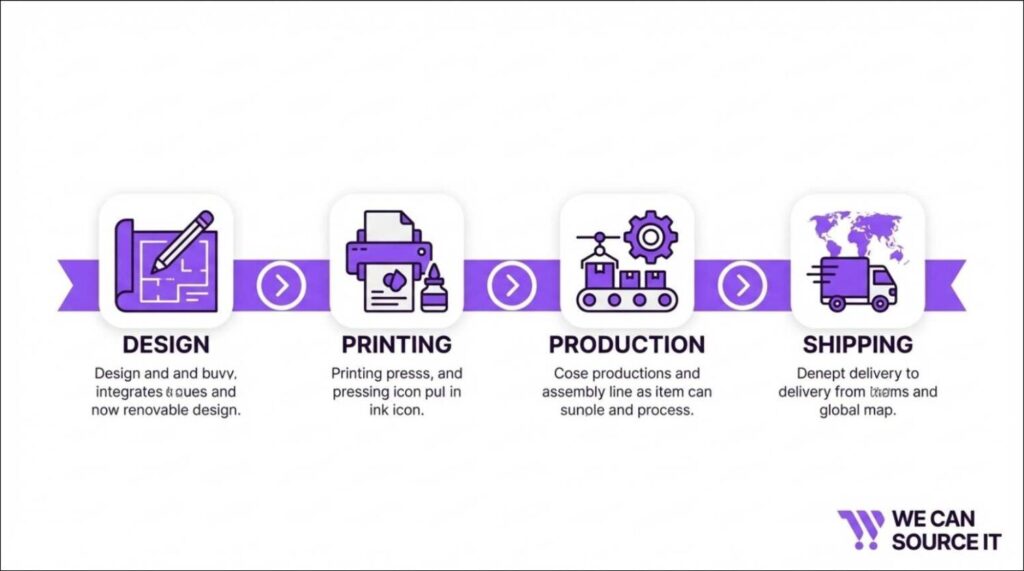
Lead times for custom-printed paper cups typically range from 2 to 8 weeks.
Production timelines depend on several stages in the manufacturing process.
Typical production stages
- Artwork preparation
- Design proof approval
- Printing plate creation (for flexographic printing)
- Cup production
- Quality inspection
- Shipping and delivery
Typical lead time scenarios:
| Order Type | Typical Lead Time |
| Digital printed cups | 2–4 weeks |
| Flexographic printed cups | 4–8 weeks |
Shipping distance and supplier location can also affect delivery time.
Key takeaway: Planning ahead is essential when ordering custom-printed cups.
What design considerations affect custom cup printing?
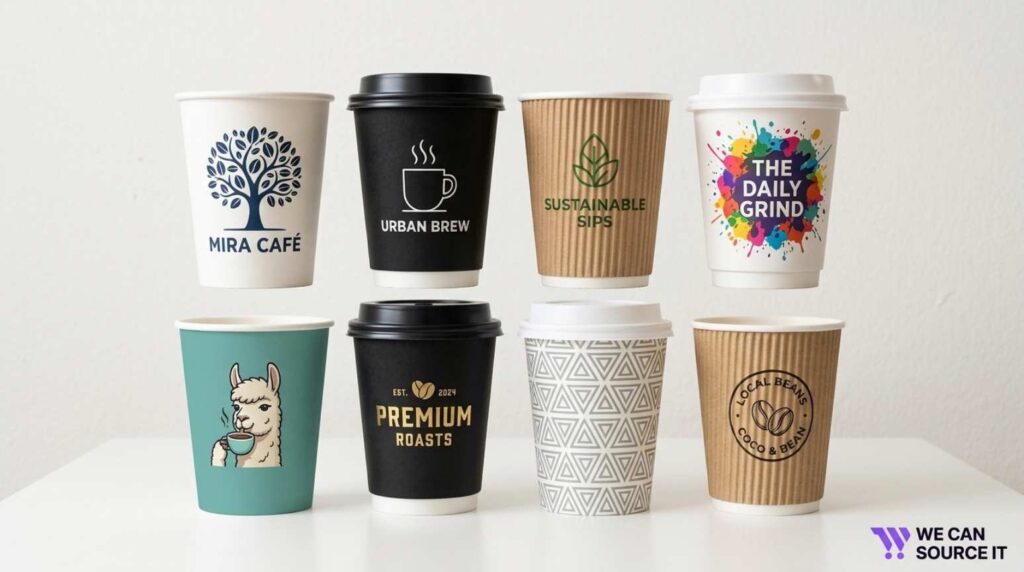
Design complexity directly affects production cost and printing feasibility.
When creating artwork for custom cups, suppliers usually provide design guidelines.
Common design considerations include:
Number of colours
Flexographic printing often charges based on the number of colours used.
More colours may increase:
- Plate setup costs
- Production complexity
Print coverage
Full-wrap designs require more ink and may increase cost.
Logo placement
Logos should remain visible when customers hold the cup.
Typical design best practices:
- Keep branding clear and simple
- Use high-contrast colours
- Ensure logos remain visible near the cup centre
Key takeaway: Effective cup design balances visual impact with printing efficiency.
Are custom-printed coffee cups worth the investment?
For many cafés, custom-printed cups provide strong branding value relative to their cost.
Benefits include:
- Increased brand visibility
- Professional presentation
- Stronger customer recognition
- Marketing exposure through takeaway drinks
In busy takeaway environments, a branded cup can be seen by dozens of potential customers during a single journey.
However, businesses must also consider:
- Higher upfront MOQs
- Longer lead times
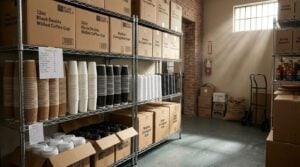
- Storage requirements
Key takeaway: Custom cups are most valuable for businesses with consistent takeaway volume.
How should cafés plan custom cup orders?
Effective planning reduces the risk of running out of branded cups or holding excess stock.
Recommended planning steps:
1. Estimate monthly cup usage
Understanding usage helps determine order quantities.
2. Account for multiple cup sizes
Different drink sizes may require separate printed cup runs.
3. Plan for lead times
Allow several weeks between ordering and delivery.
4. Coordinate branding updates
Avoid printing outdated logos or seasonal designs.
Key takeaway: Accurate demand forecasting helps optimise custom cup orders.
FAQ
What is the minimum order for custom-printed paper coffee cups?
Typical MOQs range from 1,000 to 50,000 cups, depending on the printing method and supplier.
How long does it take to receive custom-printed cups?
Production and delivery usually take 2 to 8 weeks, depending on printing method and supplier location.
Are custom coffee cups more expensive than plain cups?
Yes. Custom printing increases unit cost, but the added branding value often justifies the investment.